Face Aesthetic
Face Aesthetic
Nowadays, different age groups benefit from facial aesthetic applications to look younger by eliminating the signs of aging or correcting facial deformities. The natural and harmonious appearance of the different parts of the face creates a more youthful appearance. Thanks to the developing technology, it is possible to have the desired appearance thanks to the facial aesthetic applications that offer non-surgical solutions as well as surgical operations.
What is Face Aesthetic?
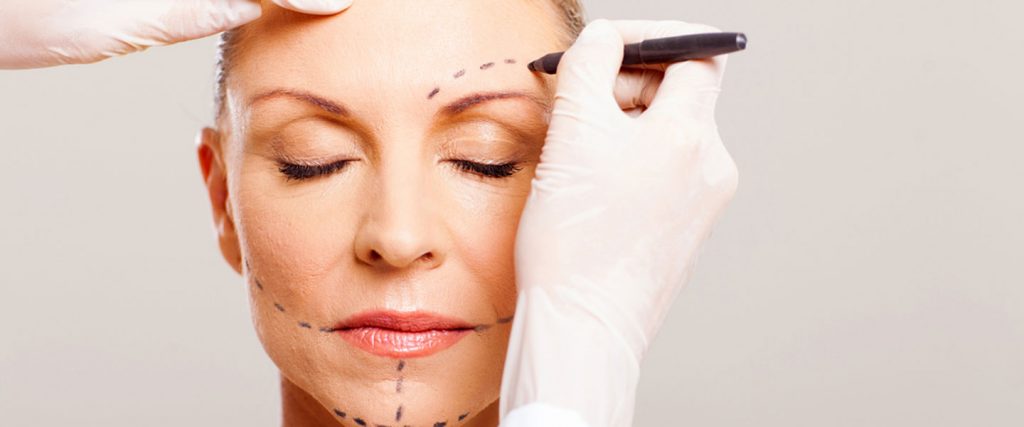
Face aesthetics, one of the sub-branches of the Plastic Surgery department; includes surgical or non-surgical applications that are carried out depending on the wishes of the people to reverse the deformations seen on the face due to external factors, especially after a certain age, or to change the facial areas that are structurally disturbed by their appearance.
Facial aesthetic operations can be applied to the whole face in general as well as only to certain parts of the face. Face; It is divided into three main parts as mouth and chin, cheeks and nose, forehead, and around the eyes. Attention is paid to the integrity of the face while intervening in the parts of the patient’s discomfort. In this sense, after detailed facial analysis by specialist physicians, both the complained facial areas and neighboring areas are determined and the appropriate treatment method is decided.
Who Can Have it?
There is no certain age limit for facial aesthetic applications. However, if there is no medical necessity, it is necessary to be over the age of 18 to benefit from aesthetic applications.
Especially in men and women over the age of 40, sagging and various deformations begin to appear in the face area due to aging. Although the changes in the skin are due to aging, some external factors cause these changes to become more pronounced. Reasons such as smoking and alcohol use, not paying attention to facial cleaning, irregular diet, air pollution, not consuming enough water, exposure to excessive sunlight, and excessive stress are important factors in the formation of earlier and more pronounced sagging and lines on the skin. Facial aesthetic operations are used to reverse this situation and delay the signs of aging.
Facial aesthetics is applied to specific areas as well as sagging and lines on the skin. Men and women from all age groups over the age of 18 can have facial aesthetics for different areas such as the nose, forehead, and around the eyes.
How is it Applied?
With the development of technology and medicine, most face aesthetic applications are performed without surgery. Non-surgical applications are usually performed without any traces and patients can return to their daily lives in a very short time after the application.
Botox
Botox, which is the abbreviation of Botulinum Toxin produced from the bacterium Clostridium Botulinum, is one of the most frequently applied aesthetic methods not only in our country but also in the world. It is generally applied in different parts of the face to eliminate wrinkles and lines that occur for various reasons. It is possible to benefit from botox applications for lines seen on the neck, nose edges, upper lip, and chin area, especially the horizontal lines on the forehead and wrinkles around the eyes. Since non-surgical applications are temporary, the procedures should be repeated within a maximum of 6 months.
Factors such as the use of facial expressions and skin thickness cause different symptoms on the face even in individuals of the same age group. Genetic and environmental factors also play an important role in making the lines more pronounced. For this reason, not only older individuals but also younger people benefit from botox applications.
Filling
One of the non-surgical facial aesthetic applications is filling. It is applied to eliminate wrinkles, lines, and scars on the face due to various reasons and to add volume to the sagging areas. Today, fillers containing hyaluronic acid are one of the most used filler types. These procedures, also known as puffing by filling the skin with moisture, usually last between 6-12 months. Filling; It is widely applied on the sides of the nose, chin area, under the eyes, lips, and neck areas, especially on the cheeks.
Mesotherapy
Mesolifting, which means facial mesotherapy; is one of the non-surgical facial aesthetic methods applied to correct deformations on the skin due to collagen loss and excessive exposure to sunlight. It is an effective method for removing age-related skin wrinkles and sunspots. Hyaluronic acid, protein, antioxidants, vitamins, and minerals are injected into the skin to give the skin a much more lively appearance.
PRP Applications
PRP, which is the abbreviation of Platelet Rich Plasma, is applied to rejuvenate the skin. In this application, which means plasma treatment, patients’ own blood is passed through some procedures and injected into damaged tissues on the face. This method, which is also used in various parts of the body, increases the production of collagen on the face. The very low infection and allergen risks of PRP are also important factors in the preference of this method.
Chemical Peeling
Chemical peeling, which is applied to revitalize the skin and free it from dead skin, is the process of peeling the upper layer of the skin. After the peeling of this upper layer in acne scars, spots, and other deformations, collagen synthesis begins in the lower layer. In this way, it is possible to achieve more vibrant and youthful skin.
Facelift
Facelift, also known as facelift surgery, is one of the plastic surgery methods that applied with general anesthesia to minimize the signs of aging. Those who suffer from sagging and excess skin, which usually occurs after the age of 50, benefit from facelift operations for more taut skin. In this method, which has effective results in sagging in the neck and cheek areas, excess skin is removed from the junction of the ear and cheeks.