

Prosthesis

Prosthesis
In cases where teeth and surrounding tissues are lost and lost for various reasons, materials specially prepared for the person used to replace lost tissues are called dental prostheses.
With the prostheses made, it is aimed to increase the chewing efficiency of the patient, the quality of life, and to improve the aesthetic appearance and speech. Broken, discolored or deformed teeth have an extremely negative effect on people’s aesthetics. For this reason, psychologically affected people can have a smoother appearance with the help of various prostheses to be made.
Prostheses Made As A Result Of The Loss Of Teeth Are Generally Two Types:
1- FIXED PROSTHESES such as crowns and bridges, which are made on teeth in the mouth and cannot be removed by the patient.
2- MOVABLE PROSTHESES that can be inserted and removed at any time by the patient.
What is Fixed Prosthesis?
As a result of caries and accident, some parts of the teeth are broken. In such cases, the lost structures of the teeth are replaced with prostheses called crowns. These crowns are made using porcelain, acrylic or metal alloys specially produced for dentistry. Recent developments in dentistry can make these structures look extremely natural.
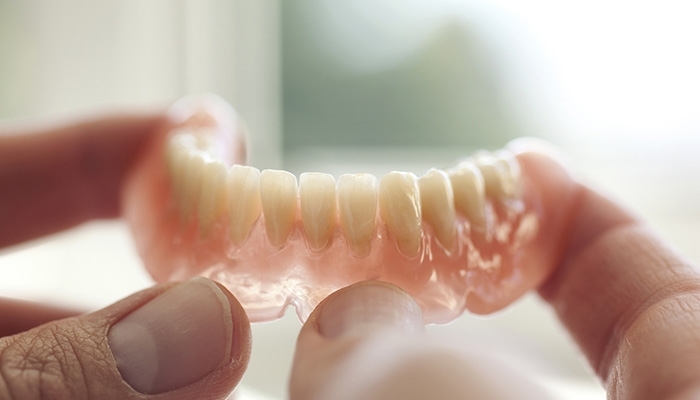
What is Moving Denture?
They are prostheses that can be installed and removed by the patient as a result of the absence of any teeth in the mouth, the large number of tooth losses, or the loss of the back teeth that can support the fixed prosthesis.
Some Tips on Caring for Your Prostheses
- Clean your prostheses in a towel or bowl. Prostheses are delicate and can break when dropped.
- Do not let prostheses cry. When not in use, put the prostheses in a prosthesis cleanser liquid solution or just in water. Never use hot water, it may cause your prosthesis to warp.
- Daily brushing of the prothesis will remove food residues and plaques and prevent them from staining.
- An ultrasonic cleaner can be used to care for your dentures, but is not a substitute for a thorough daily brushing.
- Before putting on your prosthesis, brush your gums, tongue and palate every morning with a soft-bristled toothbrush. This increases circulation in tissues and helps remove plaques.
- See your dentist when your prostheses is broken, crumbled, cracked or loose. Do not attempt to repair it yourself, otherwise you may damage the prostheses beyond repair.
How Long Will It Take To Get Used To My Prostheses?
New prostheses may feel awkward or uncomfortable for the first few weeks or even months. It takes a little getting used to prostheses to eat and talk. Feeling full or loose is normal, the muscles of your cheeks and your tongue will learn to hold the prostheses in place. Excessive saliva flow, a feeling that the tongue does not have enough place, and milk irritation or pain are normal. If you feel uncomfortable, go to your dentist for a checkup.