

Teeth Whitening
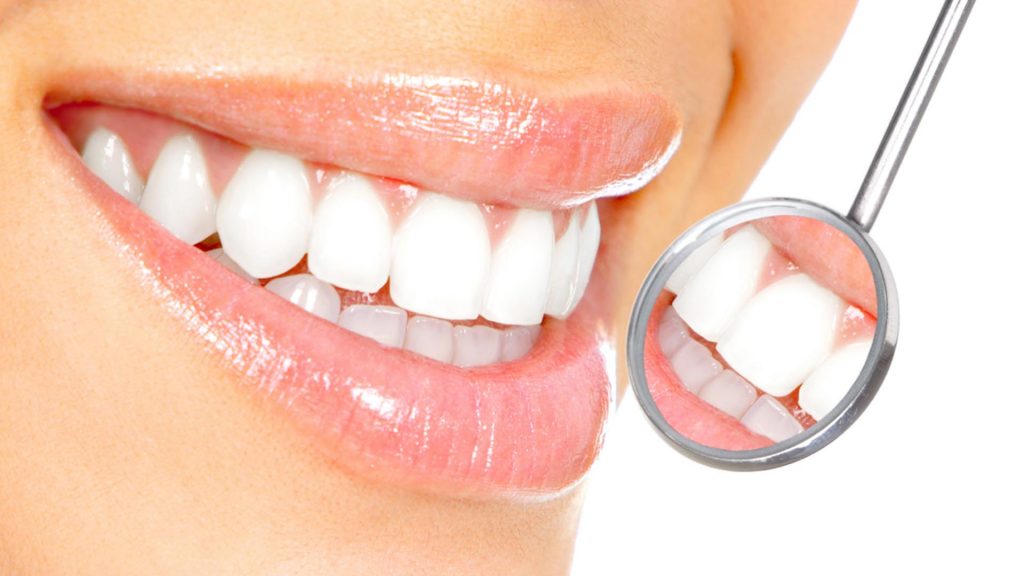
Teeth Whitening
A white smile is everyone’s dream! Some people’s teeth are yellow or do not look white due to their frequent consumption of habits during the day. Although teeth are brushed regularly, yellow color on teeth cannot be prevented most of the time. What should be done in the face of this situation that deeply affects our self-confidence? Dr. Lecturer Hakan Yasin Gönder, talked about people who were curious about teeth whitening.
Although some teeth have internal discoloration due to congenital or subsequent antibiotics, factors that cause external coloration of the teeth such as daily consumption of food and beverages (tee, coffee, fruit juice, wine) or smoking, effects the natural whiteness of our teeth.
What is Teeth Whitening
To answer this, we must first go to the cause of the coloration that occurs in the teeth. Generally coloration; Depending on the food we consume, color particles penetrate the teeth and get stuck in the dental tubules. Teeth become yellow and lose their original color. If the accumulation is not cleaned, it is added on top of each other and more difficult areas to clean occur. This situation causes us to have problems in both our social life, professional life and health. In this period when dental aesthetics and smile design treatments are becoming widespread, the demand for teeth whitening is also increasing.
The first condition of having white teeth is not to interfere with daily oral and dental care. If genetic or structural reasons are excluded, this is the most important measure to prevent your teeth from turning yellow. Another precaution that is just as important is to go to the dentist regularly. You can have healthier and more beautiful teeth thanks to the dentist controls to be made every 6 months. Many discolorations are prevented by cleaning teeth once every 6 months.
The color that occur after cleaning is the color of your tooth, but if you want to get a whiter color, you should get Bleaching Treatment.
Why are Teeth Colored?
Teeth are constantly in contact with different types of food and drink during the day. These foods, many of which contain coloring, cause some changes in the teeth over time. The main reasons that cause tooth discoloration are as follows;
- Inadequate oral care,
- Wean on teeth (traumatic tooth brushing and abrasive chemicals)
- Coloring foods
- Tea, coffee, cigarettes, food that contain coloring
- Hereditary coloration
- Rough tooth surfaces
- Bruises
Does Teeth Whitening Damage Teeth?
This is one of the most common questions we hear from our patients. The answer is; no. What is important in dental treatment and aesthetic applications is to create aesthetic results by protecting dental health. When the right case, the right technique, the right device and products are used; teeth whitening has no harm on teeth. Harmful teeth whitening practices are bleaching that are done unconsciously and have no scientific basis.
How Many Sessions Does Teeth Whitening Take?
The answer of this question may vary depending on the structure of the desired tooth and the depth of the coloration. At the same time, the whitening agents used affect this time and number of the sessions. Generally, a detailed tartar cleaning is applied before bleaching. Unhealthy gums should be restored to their health and then bleaching should be planned.
Devital whitening is usually two sessions. Office type whitening is usually applied in one session.
How Many Is Teeth Whitening Take Applied?
It is recommended that not to do more than once a year. It is long-lasting in people with good oral care and low consumption of coloring food. So it won’t need to be done over and over again. If local discolorations occur, they can be removed with a routine cleaning process.
How Long Does Teeth Whitening Take?
An average of 45 minutes of bleaching is done in one session. These two sessions can be planned as 30 minutes for those who have tooth sensitivity problems. Planning and times may vary depending on the number of the sessions and the protocol of the system to be used in. In devital bleaching, sessions are applied until the desired whiteness is reached. The result is achieved in average of two sessions.