

Conscious Sedation
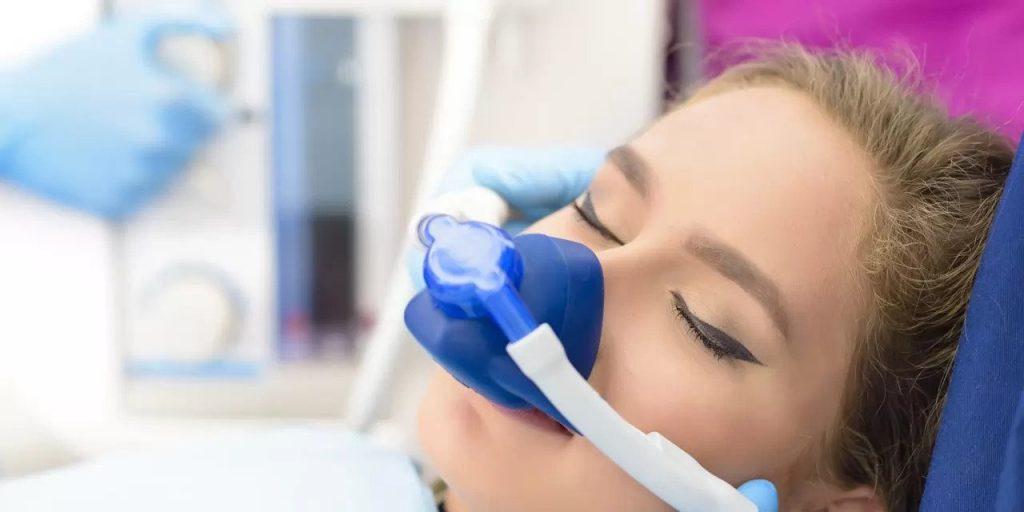
Conscious Sedation
Conscious Sedations is a form of pain management that is frequently used in many medical fields all over the world. There are no known side effects. With this effective and reliable method that can be applied to people of all ages, the fear and stress you feel in dental treatment leave its place to pleasant and good feelings.
What are the Advantages of Conscious Sedation
- It provides a comfortable and safe environment for the patient.
- Root canal treatments
- Gingival treatments
- Implant and embedded dental surgery
- Prosthetic procedures
- Conscious sedation is a suitable method for patients who have dental fear and therefore postpone their treatment.
What Is Nitrous Oxide?
When inhaled, it is a gas thar removes fears, worries and relaxes the person. It is a method that we have used widely for many years than one medical field, especially dentistry, in the USA and Europe.
Is Nitrous Oxide Safe?
It has absolutely no side effects in adults. It goes away from the body after a short time after use.
What Is General Anesthesia?
General anesthesia is mainly provided by a combination of three groups of medicines.
- Temporary loss of consciousness of the patient with the help of hypnotic medicines,
- The undergo a painless operation even if the patient is unconscious by applying narcotic analgesics,
- A comfortable surgical environment is provided by relaxing all the muscles in the body with muscle relaxant medicines.
- The patient’s breathing is provided by an anesthesia device (breathing apparatus) under the control of an anesthesiologist.
Pre-op Anesthesia Examination
First of all, dental treatments to be applied by determining the needs of our patients are planned by the relevant departments and then pre-op anesthesia examinations are applied.
In the anesthesia examination, first of all, the detailed history of the patient is obtained and physical examination is applied. After the necessary examinations are made, an appointment for surgery is made.
Conscious Sedation
It is a condition in which the patient can keep the airway open independently and continuously, respond to physical stimulus in accordance with the intermediate and verbal commands, and the consciousness in minimally suppressed. It is obtained by pharmacological, non-pharmacological, or combined methods.
Deep Sedation
It is the partial loss of protective reflexes and the condition in which the airway cannot be independently maintained and / or responded to physical stimuli or verbal commands with an increased degree of suppression of consciousness. It is obtained by pharmacological, non pharmacological or combined methods.